


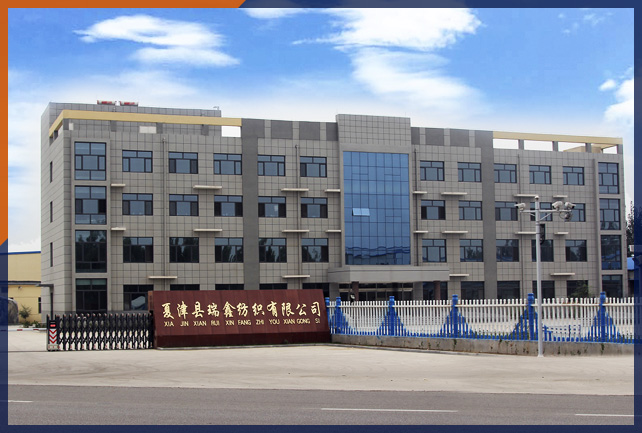
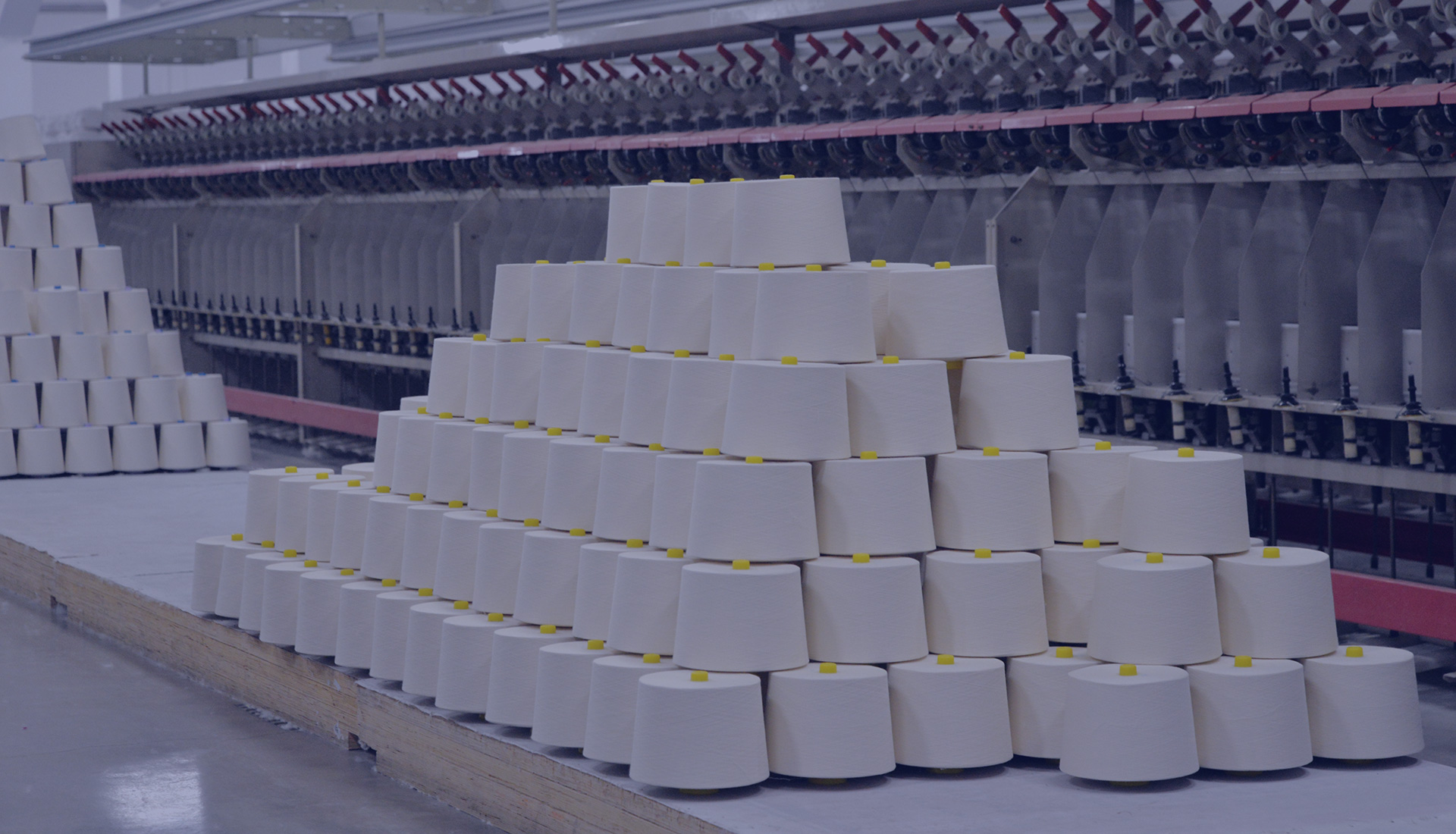
Xiajin Ruixin Textile Co., Ltd. was established in February 2002 as a joint-stock private enterprise. The company operates two production facilities, with a registered capital of RMB 20 million, a total land area of 80,000 square meters, a production scale of 100,000 spindles, total assets of RMB 310 million, and 500 employees. It produces more than 20,000 tons of high-quality cotton yarn annually, achieving sales revenue of approximately RMB 500 million. The company is an international BCI member, a member of the U.S. Pima Cotton Association, a GRS/DCS member, and an industrial member of the Green Development Alliance for the Regenerated Cellulose Fiber Industry.
-
80000 +Covering an area of more than 80,000 square meters.
-
2002 年The company was founded in 2002.
-
500 人500 Employees




-
07-09What Is Polyester-Cotton Yarn? What Is Tencel-Cotton Yarn? What Are the Characteristics of Bulky Acrylic Yarn?The main characteristics of polyester-cotton blended thread include high breaking strength, generally more than 40% higher than cotton thread of the same specification; good abrasion resistance, generally about twice that of cotton thread of the same specification; low shrinkage, with a shrinkage rate of only about 0.5%, making it suitable for sewing synthetic fabrics and wrinkle-resistant cotton fabrics while maintaining flat and neat stitches; and good heat resistance, allowing it to be used o
-
07-09What Are the Characteristics of Modal Yarn? What Are the Uses of Recycled Cotton Yarn? What Is Tencel Slub Yarn?The dry strength of Modal is close to that of polyester (35 cN/tex), while its wet strength is slightly lower than that of cotton. It is soft and smooth with a silky feel. Its elongation in the wet state is relatively low, while its dry elongation lies between that of cotton and viscose. Its wet elongation is similar to that of cotton but lower than that of viscose. It has a relatively low shrinkage rate and excellent moisture absorption, about 50% higher than cotton, with a fast moisture absorp
-
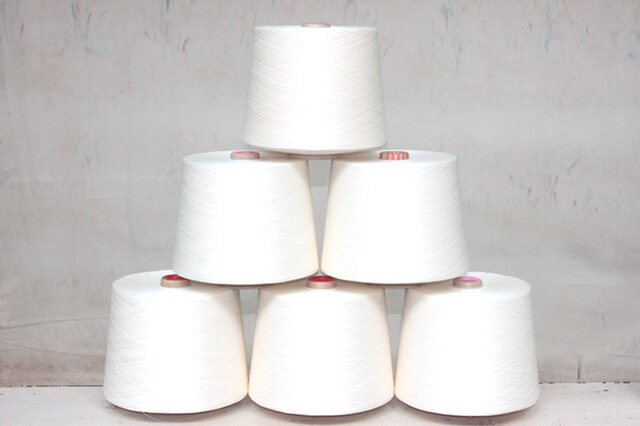
07-09What Are the Uses of Modal Yarn? What Is Polyester-Viscose Yarn? What Are the Advantages of Bamboo-Cotton Yarn?Modal fiber is a type of cellulose fiber. Like rayon, it belongs to the cellulose fiber category and is a genuine man-made fiber. It is produced from wood pulp made from European shrub forests and then processed using a specialized spinning technique. Modal products are known for their excellent softness and moisture absorption, although fabrics made from Modal generally have relatively poor stiffness and shape retention.
-
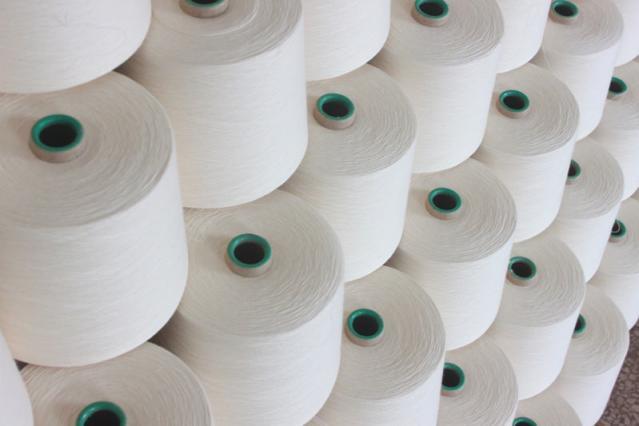
07-09What Are the Characteristics of Modal-Cotton Yarn? What Is Polyester-Viscose Yarn? What Are the Uses of Pima Cotton Yarn?The dry strength of Modal yarn is close to that of polyester (35 cN/tex), while its wet strength is slightly lower than that of cotton. It is soft and smooth with a silky feel. Its elongation in the wet state is relatively low, while its dry elongation lies between that of cotton and viscose. Its wet elongation is similar to that of cotton but lower than that of viscose. It has a relatively low shrinkage rate and excellent moisture absorption, about 50% higher than cotton, with a fast moisture a
-
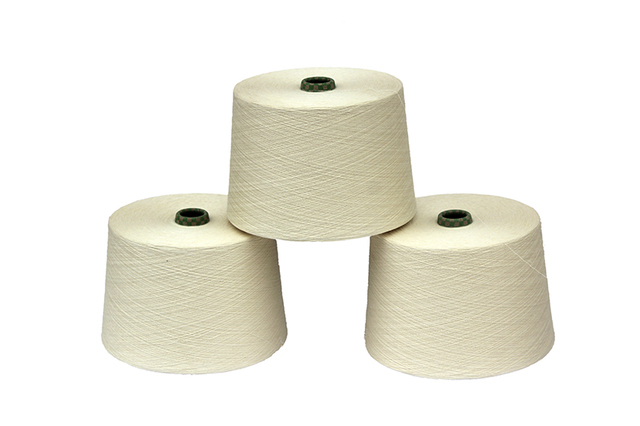
07-09What Are the Characteristics of Combed Cotton Yarn? What Is Wool Yarn? What Kind of Yarn Is Polyester-Viscose Yarn?Combed cotton yarn refers to cotton yarn produced with an additional combing process during spinning. This process removes shorter fibers and impurities from the cotton, making the fibers stronger, less prone to pilling, and more consistent in quality, while producing a smoother yarn. Combed cotton yarn is smoother and more even. Fabrics made from combed cotton yarn have a higher level of quality in terms of texture, washability, and durability. The fabric surface is smooth and free from cotton
-
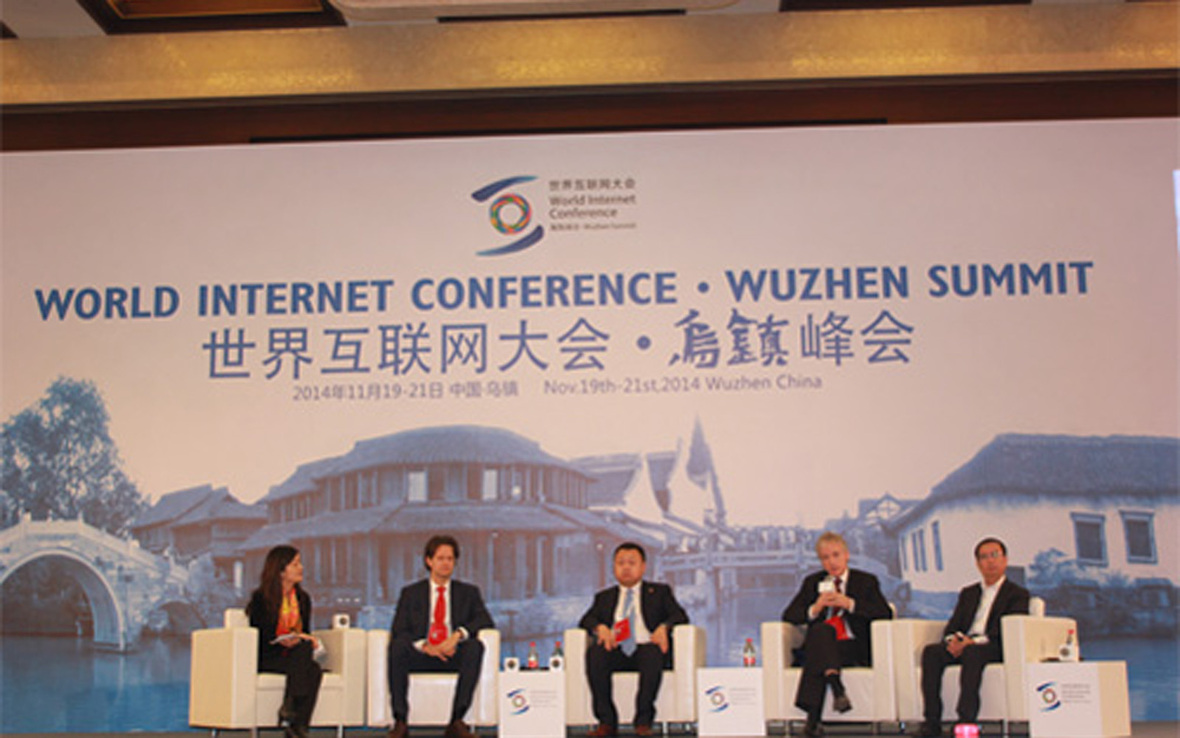
08-30Seize the Opportunities of the “World Internet Conference” and Advance the Textile and Apparel Industry!Seize the opportunities presented by the “World Internet Conference” and implement the strategy of building China into a strong textile and apparel nation. As one of China’s traditional pillar industries, the textile industry has played a very important role in the construction of the People’s Republic of China, the process of industrialization, and the development of China’s modernization since the reform and opening-up.
-
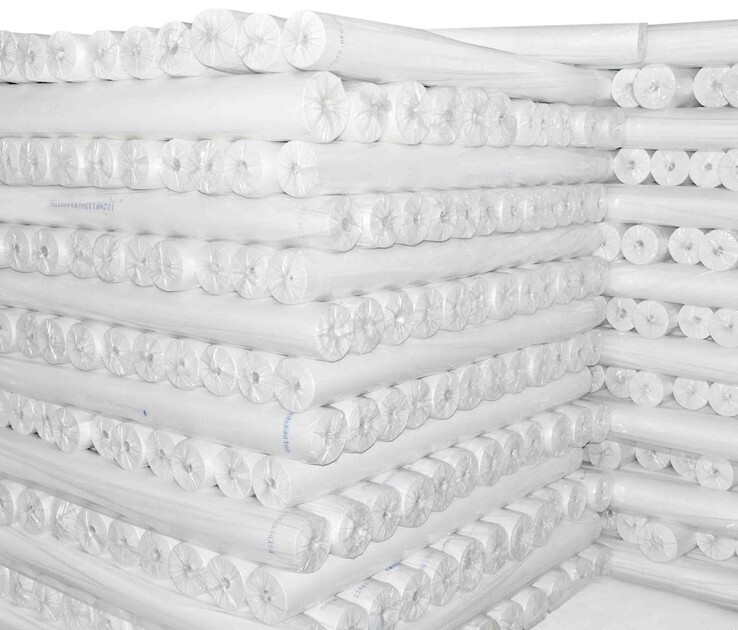
08-30China’s Textile Industry Is Facing New OpportunitiesAs an indispensable part of the national economy that permeates every aspect of human life, the chemical industry has always received significant attention from governments and people around the world. However, it has also encountered some setbacks during its development. Today, the industry’s development strategy has gradually shifted from emphasizing profits and speed to prioritizing environmental protection and pursuing green and sustainable development.
-
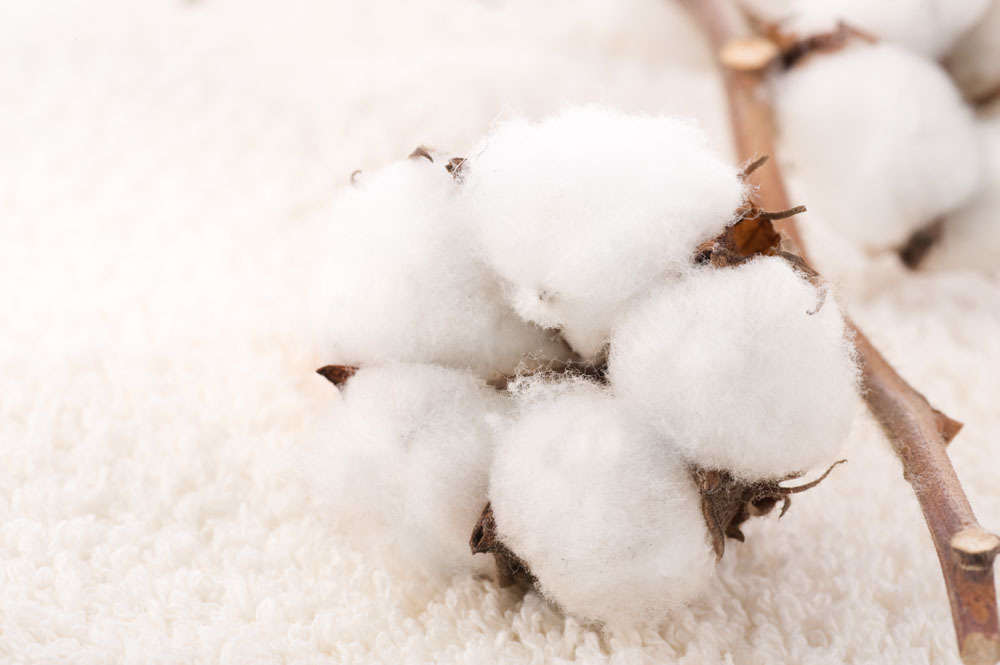
08-29Cotton Market: Industry Development Is Becoming Increasingly Market-OrientedFirst, the previous trend of continued expansion in cotton production has changed. In 2015, Xinjiang reduced its cotton planting area by 6.1 million mu. In 2016, local authorities in Xinjiang planned to further reduce the cotton planting area by 1.5 million mu. It was estimated that the total cotton planting area in 2016 would be more than 30 million mu, with cotton production becoming increasingly concentrated in regions with competitive advantages.
-
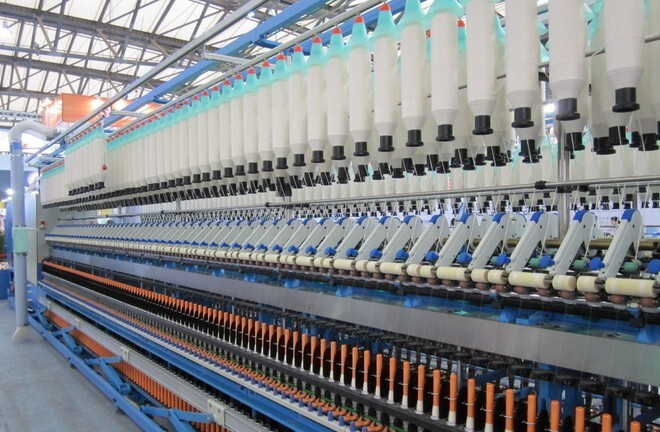
08-29China’s Textile Industry 13th Five-Year Plan Takes Shape, with High Growth Expected to ContinueAccording to the China National Textile and Apparel Council, the textile industry’s 13th Five-Year Plan has already taken shape. During the 13th Five-Year Plan period, industrial textiles will be a key area of development and are expected to maintain double-digit growth.
-
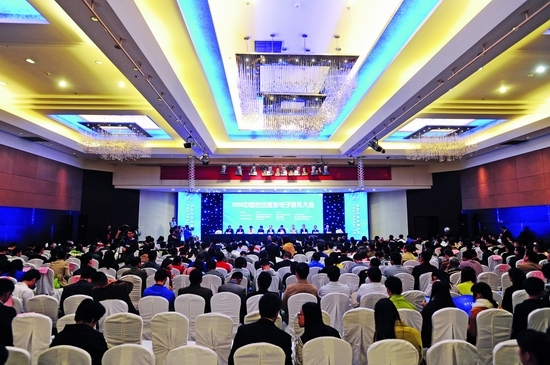
08-29Explore Innovation in the “Internet + Distribution” Model!On October 25, the “2015 China Textile and Apparel E-Commerce Conference and Launch Ceremony for Investment Promotion of the China (Weifang) Textile and Apparel E-Commerce Industrial Park,” jointly organized by the Circulation Branch of the China National Textile and Apparel Council, the China Textile and Apparel E-Commerce Alliance, and the Weifang Municipal People’s Government of Shandong Province, was held in Weifang, Shandong. Xia, Vice President of the China National Textile and Apparel Cou

Email: xrx.2007.ok@163.com
Address: 800 meters east of Xiangzhaozhuang Town Government, south side of the road, Xiajin County, Shandong Province
 Public Security Registration No.: 37142702000183